Impact Funds
Impact Assessment, 2024
Themes
Rally Funds have four themes, with associated target outcomes and a target impact. The themes are deeply interconnected.
Addressing Climate Change

In this theme, we seek investments with a direct and strong influence on lowering carbon emissions at different scales.
Target Impact:
The economy is resilient and low carbon, thereby addressing climate change.
Advancing Social Equity

In this theme, we focus on investments that dismantle the barriers hindering full and equitable participation in society’s economic, social and political spheres.
Target Impact:
Due to greater social equity, people are able to fully contribute to and benefit from economic and social progress.
Preserving and Restoring Natural Capital

In this theme, we seek investments that help to lower demand on natural capital. We seek various positive and transformative shifts across different industries and scales.
Target Impact:
With natural capital preserved, the earth’s regenerative capacity is maintained.
Sustainably Meeting Basic Needs

In this theme, we focus on investments that create a foundation upon which people can build a stable life.
Target Impact:
Fundamental living requirements like food, water, shelter, healthcare and education are met for all.
Thematic Allocation, 2024
Both RGEIF and RTIF were invested in all four themes, as expected. Rally Funds do not have thematic allocation targets.
Impact areas within themes help investors to see “the where”: the sector or area where change is happening. RGEIF and RTIF were both invested in a wide range of areas.
RGEIF Thematic Allocation, 2024
RTIF Thematic Allocation, 2024
RGEIF Impact Areas within Themes, 2024
Addressing Climate Change
| Climate Change Mitigation | 28.9% |
| Clean Energy | 6.4% |
| Green Buildings | 4.0% |
| Digital Infrastructure | 1.0% |
Sustainably Meeting Basic Needs
| Quality Health Care | 19.4% |
| Digital Infrastructure | 8.7% |
| Water, Sanitation and Hygiene | 1.6% |
| Quality Jobs | 0.2% |
Preserving and Restoring Natural Capital
| Waste Management | 8.5% |
| Sustainable Water Management | 5.6% |
| Resilient Infrastructure | 1.5% |
Advancing Social Equity
| Financial Inclusion | 7.1% |
| Quality Jobs | 3.7% |
| Digital Infrastructure | 1.7% |
| Quality Education | 0.8% |
| Racial Equity | 0.7% |
RTIF Impact Areas within Themes, 2024
Addressing Climate Change
| Climate Change Mitigation | 22.7% |
| Clean Energy | 5.9% |
| Energy Efficiency | 2.3% |
| Green Buildings | 1.7% |
| Digital Infrastructure | 1.5% |
| Pollution Prevention | 0.6% |
| Sustainable Agriculture | 0.5% |
| Resilient Infrastructure | 0.1% |
Sustainably Meeting Basic Needs
| Quality Health Care | 9.9% |
| Quality Jobs | 4.6% |
| Digital Infrastructure | 4.2% |
| Water, Sanitation and Hygiene | 1.5% |
| Affordable Housing | 0.9% |
| Food Security | 0.4% |
| Racial Equity | 0.1% |
Preserving and Restoring Natural Capital
| Waste Management | 7.8% |
| Sustainable Water Management | 4.1% |
| Resilient Infrastructure | 0.9% |
| Biodiversity and Ecosystem Conservation | 0.6% |
| Sustainable Agriculture | 0.4% |
| Sustainable Land Management | 0.2% |
Advancing Social Equity
| Financial Inclusion | 9.1% |
| Community Development | 6.3% |
| Quality Jobs | 3.3% |
| Quality Health Care | 3.0% |
| Racial Equity | 2.6% |
| Quality Education | 1.9% |
| Smallholder Agriculture | 1.8% |
| Digital Infrastructure | 1.0% |
Target Outcomes Within Themes
Themes are not just a categorization tool; they help articulate the specific real-world outcomes and impacts a portfolio is aiming to achieve. Through our impact assessment, we are able to connect activities to outcomes, in support of a theme’s target impact.
RGEIF and RTIF contributed to many significant outcomes in support of the target impact for each theme in 2024. In 2024, RGEIF contributed to 15 of its 20 target outcomes; RTIF to 19 of its 20 target outcomes.
RGEIF 2024 Allocation to Target Outcomes
Percentages are based on allocation of investments, not including cash.
RTIF 2024 Allocation to Target Outcomes
Percentages are based on allocation of investments, not including cash.
Thematic allocation is determined through fundamental analysis. We first examine a holding’s activities, connect those to impact areas and then determine what targeted impact is being supported by the activity. In cases where a product has not yet deployed capital or has made only one or two investments, we allocate the uncalled commitment based on the product’s stated impact intention. As products deploy more capital, we are able to deepen our understanding of thematic allocation, based on reported activities not just intentions. A holding may contribute to multiple themes and the same impact area may appear in more than one theme. The repetition of an impact area is not a duplication as it represents a different holding undertaking a different activity in support of a different end goal.
Addressing Climate Change
Addenda Impact Fixed Income Pooled Fund
Much of Canada’s energy, education, and healthcare infrastructure requires replacement, modernization, or additional capacity. It must also transition towards greater use of clean power and technologies. By financing new social and environmental debt instruments and helping to facilitate the functioning of these markets, Addenda is contributing to a wide range of positive outcomes.
This investment, like many, is contributing to more than one investment theme. This spotlight looks at how it contributes to just one of those themes, Addressing Climate Change.
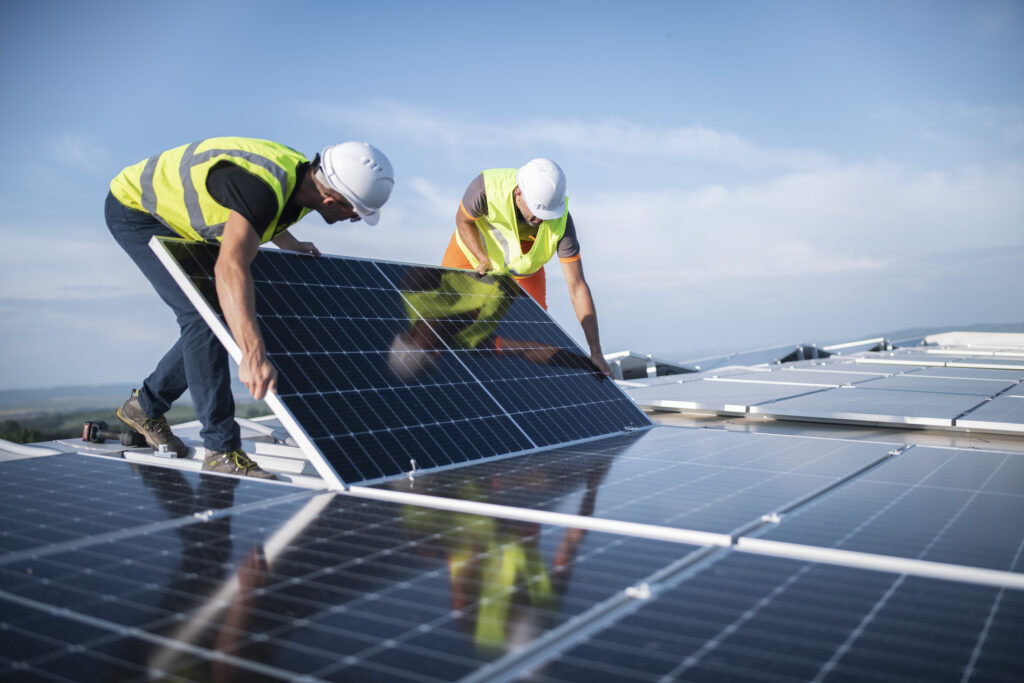
Asset Class: Public Fixed Income
System Role: Adopts positive social and environmental practices while addressing climate change, health, wellness, education and community development.
Results Chain: Results chains build from the impact thesis we develop for a holding. We link company holding-reported metrics to the impact thesis. Metrics and key performance indicators contribute to outcomes, which contribute to the a theme’s ultimate impact. See our methodology report for more information.
Primary SDG:
SDG Target: 7.2 – By 2030, increase substantially the share of renewable energy in the global energy mix.
Non-Primary SDGs:




| Metric | Outcome | Impact |
|---|---|---|
| Reduction of tonnes of CO2e | Reduced emissions with green energy infrastructure transformation | The economy is resilient and low carbon, thereby addressing climate change |
Advancing Social Equity
CBIV Women’s and Children’s Health Technology Fund
In many societies, women and children have poor health outcomes due to low investment in health innovations, compounded by socioeconomic and biased determinants of receiving care and education. By investing in tech companies focused on maternal, reproductive and newborn health, this fund is improving the health outcomes of women, children and adolescents in low- and middle-income countries.
This investment, like many, is contributing to more than one investment theme. This spotlight looks at how it contributes to just one of those themes, Advancing Social Equity.

Asset Class: Venture Capital
System Role: Equalizes health and medical technologies that are affordable, high-quality, and accessible for different population groups.
Results Chain: Results chains build from an impact thesis. We link company-reported metrics to the impact thesis. Metrics contribute to outcomes, which contribute to the theme’s ultimate impact.
Primary SDG:
SDG Target 5.1: End all forms of discrimination against all women and girls everywhere.
Secondary SDGs:
| Metric | Outcome | Impact |
|---|---|---|
| Number of women, children or adolescents who have their lives improved by the innovation in low- and middle-income countries | Reduced health disparities | Due to greater social equity, people are able to fully contribute to and benefit from economic and social progress |
Preserving and Restoring Natural Capital
American Water
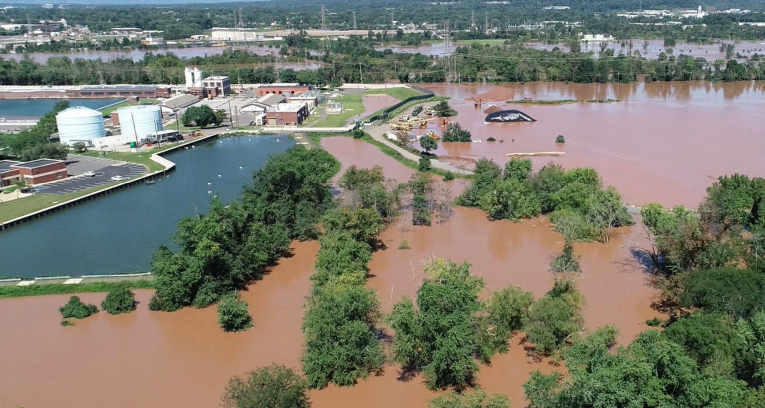
Population growth and greater demand for water supplies has led to increased strains on water supplies. By continually investing in its distribution infrastructure, American Water is contributing to safe, affordable, efficient, reliable and resilient drinking water and wastewater services.
This investment, like many, is contributing to more than one investment theme. This spotlight looks at how it contributes to just one of those themes, Preserving and Restoring Natural Capital.
Asset Class: Public Equities
Results Chain: Results chains build from an impact thesis. We link company-reported metrics to the impact thesis. Metrics contribute to outcomes, which contribute to the theme’s ultimate impact.
Primary SDG:
SDG Target 6.4: By 2030, substantially increase water-use efficiency.
Secondary SDGs:
| Metric | Outcome | Impact |
|---|---|---|
| Water reductions per customer (%) compared to 2015 | Higher efficiency and resilience to lower end demand on natural capital | With natural capital preserved, the earth’s regenerative capacity is maintained |
Sustainably Meeting Basic Needs
Healthpeak Properties
The cost of health care in the United States has long been a barrier to access for many. By delivering health care infrastructure and specialized outpatient care, Healthpeak Properties is contributing to a more accessible and cost-effective health care system.
This investment, like many, is contributing to more than one investment theme. This spotlight looks at how it contributes to just one of those themes, Sustainably Meeting Basic Needs.

Asset Class: Public Equities
System Role: Adopts a new way of providing more cost-effective healthcare services.
Results Chain: Results chains build from an impact thesis. We link company-reported metrics to the impact thesis. Metrics contribute to outcomes, which contribute to the theme’s ultimate impact.
Primary SDG:
SDG Target 3.8: Achieve universal health coverage, including financial risk protection, access to quality essential health-care services and access to safe, effective, quality and affordable essential medicines and vaccines for all.
Secondary SDGs:
| Metric | Outcome | Impact |
|---|---|---|
| Number of patients and visitors to Healthpeak's outpatient medical buildings | Enhanced quality, reach and affordability of healthcare, education, housing and transportation | Everyone’s fundamental requirements, like food, water, shelter, health care and education, are met |

Sustainable Development Goals
The United Nations’ Sustainable Development Goals (SDGs) is a globally recognized framework that supports systems thinking. There are 17 goals and 169 targets within those goals. The SDGs are a shared blueprint for all sectors of society to use to end poverty, protect the planet and ensure prosperity for all. They help investors identify areas where capital is needed to address the world’s biggest problems.
RGEIF SDG Contribution, 2024
In 2024, RGEIF contributed to all SDGs, a key portfolio goal.
Percentages are based on allocation of investments, not including cash.
RTIF SDG Contribution, 2024
In 2024, RTIF contributed to all SDGs, a key portfolio goal.
Percentages are based on allocation of investments, not including cash.
SDG contribution comes out of our evidence-based fundamental impact thesis on holdings. Having developed an investment thesis, we tie the thesis to the SDGs. If a holding contributes to more than one SDG, we assign a primary SDG and non-primary SDGs, based on fundamental research and analysis around the significance of activities – such as different revenue streams in a public company or the portfolio investment decisions for a private fund. For primary SDGs we also determine the underlying SDG target in order to fully understand impact. For young holdings, our assessment regarding SDG contribution may be a forward-looking expectation.
Charts and tables on this page represent a snapshot of RGEIF and RTIF investments as of December 31, 2024; investments may change over time. This document is for informational purposes only and is not intended as a recommendation or an offer or solicitation for the purchase or sale of securities. The information contained herein is in summary form for convenience of presentation.
Rally Assets is the portfolio manager of Rally Funds and manages their portfolios. Majestic Asset Management is the investment fund manager of Rally Funds and is responsible for their day-to-day operations, compliance and supervision.
Only accredited investors are eligible to invest in Rally Funds and this webpage is meant only for accredited investors.